
Connections, Conversations, and Smoked Salmon at the 2025 Local Seafood Summit
The 2025 Local Seafood Summit brought seafood professionals together in Gulf Shores, Alabama. For Extension Agent Brandi Keller, the experience highlighted how relationships, culture and community are at the heart of resilient seafood systems.
Brandi Keller
In November, Galveston County Coastal and Marine Extension Agent Brandi Keller attended her first seafood conference, expecting a professional development opportunity and instead leaving with a renewed perspective on her relationship with seafood and the systems that sustain it. The 2025 Local Seafood Summit, held Nov. 9–11 in Gulf Shores, Alabama, brought together harvesters, researchers, educators and community leaders to explore the connections between people, place and the sea.
The short drive from Pensacola, Florida to Gulf Shores stirred memories from Keller’s years after leaving the Navy, when living in Virginia Beach shaped her early appreciation for seafood and coastal communities. Those reflections set the tone for a summit that emphasized not only learning, but lived experience.
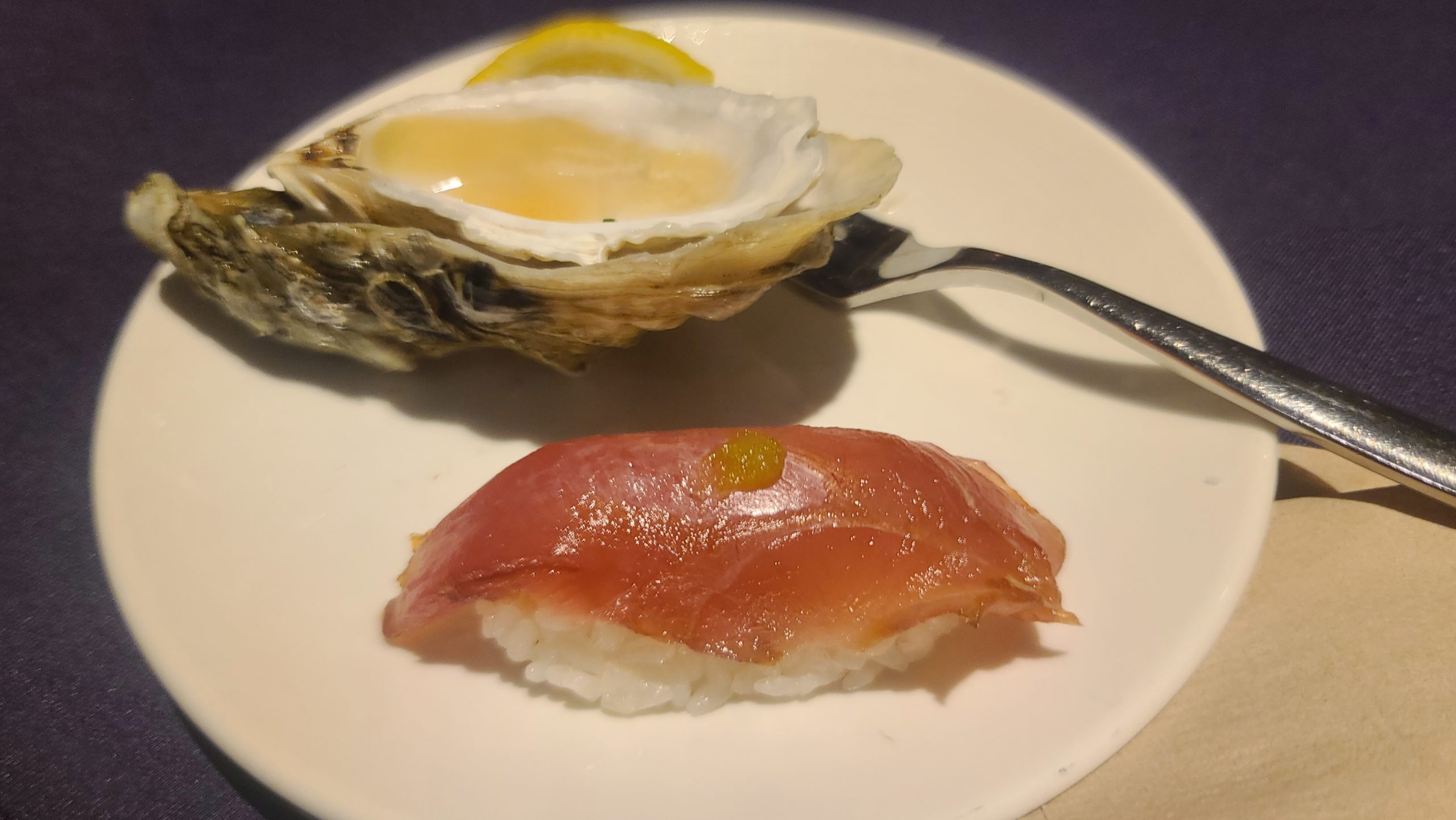
The first night’s social event served as the introduction to fellow attendees and speakers, but it was much more than a typical networking reception. Participants were served fresh Gulf seafood, including boiled shrimp and raw oysters, along with king salmon prepared by the woman who had caught it herself in Alaska.
“It quickly became clear that this summit wasn’t just about educational sessions,” Keller said. “It was designed to model the deep relationship between people and the sea — a living example of how interconnected seafood systems truly are.”
Before long, professional networking evolved into meaningful dialogue and genuine connection, as conversations over shared meals led to new friendships, including one that began with the woman seated next to Keller from Alaska.
“The experience reinforced how important relationship building is as a foundation for resilient fisheries, informed communities and sustainable coastal futures,” Keller said.
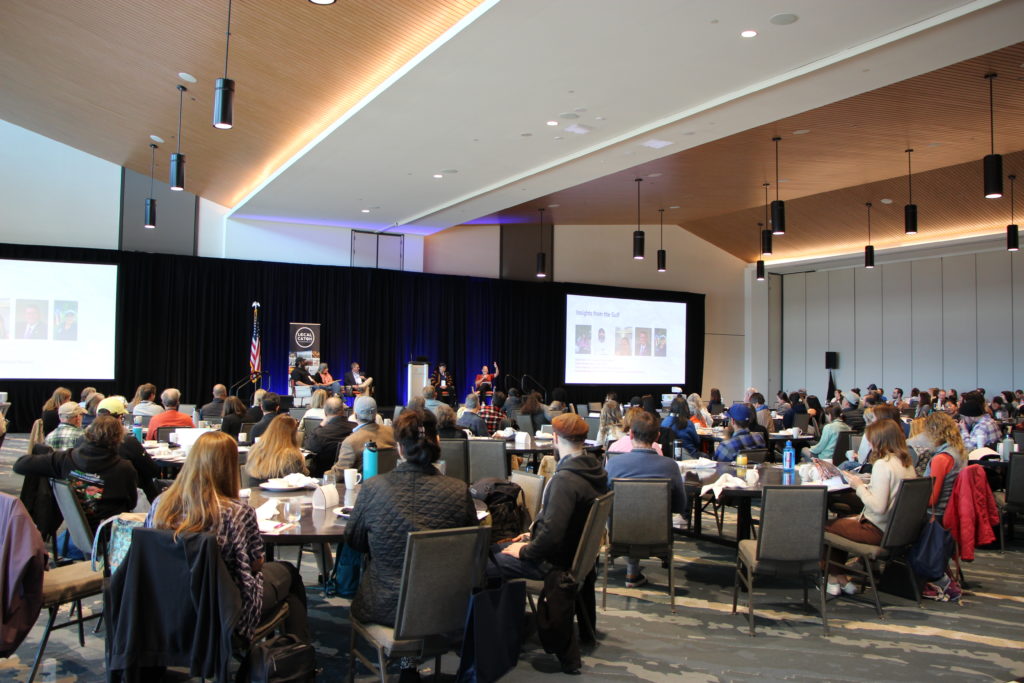
The opening keynote was given by Texan Diane Wilson, a fourth-generation shrimper and boat captain from Seadrift. In 2019, she secured a $50 million trust against Formosa Plastics Corp., which now supports the Matagorda Bay Fishing Cooperative. The marine science summer camps at the Port Lavaca YMCA, a program closely connected to the Brazoria and Matagorda Sea Grant agents, is an effort that is in turn supported by the trust.
“Her passion for advocacy left a strong impression on the audience,” Keller said.
Choosing sessions proved difficult, as they each offered something unique.
A discussion led by Gulf United for Lasting Fisheries, or G.U.L.F., a sustainable seafood program based at the Audubon Nature Institute in New Orleans, underscored how deeply seafood is woven into Louisiana’s history, culture and economy.
“While the context differs, Texas coastal communities share many of the same cultural and economic ties to seafood,” Keller said. “That’s especially true as communities face pressures from environmental change, habitat loss and global market competition.”
During a session on community engagement strategies from the Slow Fish Rising Tide, presenters shared ways businesses can connect with broader audiences through direct interaction, highlighting events such as KNOW FISH dinners, Chef Camps and Seafood Throwdowns. Building relationships with chefs, presenters noted, can leverage purchasing power while enhancing education for both staff and customers.
Another session explored how seafood industry workers can sell directly within their communities. With the decline of many traditional fishing markets, independent fishermen and women often face disadvantages. The discussion examined both the challenges and benefits of community-centered organizations as alternative pathways for connecting sellers and buyers.
Beyond the practical lessons, Keller said one of the most powerful takeaways was a strong sense of belonging among seafood professionals, whether they knew one another or not. The summit featured representation from Native American and Alaskan communities, along with a special exhibit highlighting African American contributions to North Carolina seafood.
“It was inspiring to see a collective mindset in action: people coming together to support one another and protect the seafood systems that sustain our communities and cultures,” Keller said.
The experience came full circle at the summit’s conclusion. An Alaskan attendee Keller met during the opening reception, Erika, gifted her smoked coho salmon caught by her son and smoked by her.
“That moment was a reminder that seafood is more than food,” Keller said. “It’s a story, a connection and a shared experience.”
####
About Texas Sea Grant
Texas Sea Grant is a unique partnership that unites the resources of the federal government, the State of Texas and universities across the state to create knowledge, tools, products and services that benefit the economy, the environment and the citizens of Texas. It is administered through the National Oceanic and Atmospheric Administration and is one of 34 university-based Sea Grant Programs around the country. Texas Sea Grant is a non-academic research center at Texas A&M University. The program’s mission is to improve the understanding, wise use and stewardship of Texas coastal and marine resources.